Let's be honest, we all spend way too much time staring at screens these days. Whether it's for work, entertainment, or just scrolling through social media, our eyes are constantly bombarded with light. I started to notice my eyes feeling tired and strained, especially after long days in front of the computer. That's when I started wondering about blue light blocking glasses. Do they actually work, or are they just another gimmick?
Like many people, I was skeptical at first. I'd heard mixed reviews. Some people swore by them, while others claimed they were a complete waste of money. I even saw some research suggesting that blue light glasses are a scam. But I was desperate for some relief from my eye strain, so I decided to experiment.
Initially, I tried a few different brands that were readily available online. I honestly didn't notice much of a difference. My eyes still felt tired and I still experienced headaches occasionally. I was starting to think that maybe the skeptics were right.
Then, I stumbled upon a recommendation for Uvex Blue Light Blockers. I read that they were one of the few brands that actually worked. I figured I had nothing to lose, so I ordered a pair. I started wearing them while working on my computer, and I was surprised by the difference. My eyes felt less strained, and I didn't experience as many headaches. It wasn't a miracle cure, but it definitely helped.
While the Uvex glasses helped, I wanted to explore other options as well. I was still experiencing some light sensitivity, and I wanted to see if there was anything else I could do. That's when I learned about FL-41 lenses. I found out that these lenses have actual scientific backing for reducing eye strain and light sensitivity, unlike many other products on the market. After researching, I considered getting a pair to see if they would offer even more relief. It's something I'm still considering, but I'm happy with the progress I've made so far.
During my research, I also realized that the amount of blue light we get from our screens is only a small fraction of the blue light we're exposed to every day. Overhead artificial lighting and even natural sunlight contain far more blue light. So, while blue light glasses can help, it's important to address other sources of blue light as well.
I found that a combination of strategies worked best for me. First, I continued to wear my blue light glasses while working on my computer. This helped to reduce eye strain and headaches. Second, I made sure to take regular breaks from my screen. I followed the 20-20-20 rule: every 20 minutes, look at something 20 feet away for 20 seconds. This helped to relax my eyes and prevent them from getting too strained.
Third, I adjusted the lighting in my workspace. I replaced the harsh overhead lights with softer, more natural light. I also made sure to position my monitor so that it wasn't reflecting any glare. These changes made a big difference in my overall comfort and reduced my eye strain even further.
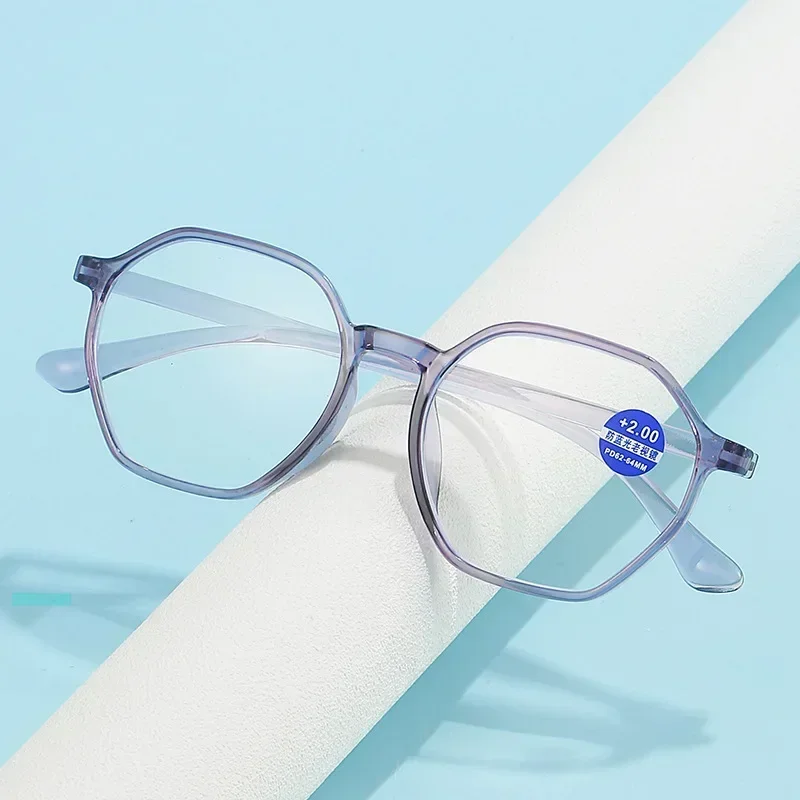
Finally, I discovered some stylish and effective blue light reading glasses from Mozaer. I was looking for something that was both functional and fashionable, and I found it in the 2023 Anti Blue Light Reading Glasses for Men Women Luxury Eye Protection Finished Eyewear.
I particularly liked the transparent purple color and the fact that they came in different strengths, so I could find the perfect fit for my vision. Wearing these glasses made a noticeable difference in my eye comfort, especially when reading on my tablet or phone.
Here are some practical tips that I've learned along the way to help reduce eye strain and headaches from screens: