Stepping onto a job site, whether it's a bustling construction zone or a meticulous auto body shop, you quickly learn one thing: your feet are your foundation. For years, I’ve navigated demanding environments, and through it all, my quest for the perfect pair of work boots has been a continuous journey. I've seen it all, from boots that fell apart in weeks to legendary pairs that outlasted entire projects. This isn't just about footwear; it's about safety, comfort, and ultimately, your livelihood.
I remember vividly, back in the early 80s, landing what I thought was my dream job. I was barely out of my teens, eager to learn, working as an apprentice in a high-end body shop. The work was exhilarating, but the physical demands were immediate. I quickly realized that the shoes I wore daily weren't cutting it. My feet ached, and I was constantly worried about spills and dropped tools. This was my first real introduction to the necessity of proper work boots.
I started with what I could afford, often opting for boots that promised waterproofing. I soon discovered that while some brands did offer excellent water resistance, they came with a hefty price tag. It felt like a constant compromise between my budget and my foot's well-being. I also learned that not all boots are built the same way. Some relied heavily on a traditional welt construction for durability, while others, surprisingly, used really good shoe glue that made a welt almost unnecessary. This was an eye-opener, showing me that innovation could sometimes challenge conventional wisdom in boot manufacturing.
As my career progressed, the environments I worked in became even more challenging. I moved into natural gas construction, a field where mud, uneven terrain, and heavy machinery were daily companions. My boots took a beating, and I went through several pairs that simply couldn't keep up. It was frustrating, expensive, and frankly, a safety concern.
It was during this time that I decided to make a significant investment. I shelled out over $400 for a pair of Redwing logger boots, including tax and specialized insoles. At the time, it felt like an exorbitant amount for footwear. My friends thought I was crazy, spending so much on "just boots."
However, those Redwing loggers turned out to be the cheapest boots I've ever owned in the long run. I'm talking about boots that are still going strong after five years in the brutal conditions of natural gas construction. Sure, I've had to repair the toes with some paint-on protective material to keep them pristine, but the core structure, the support, and the overall integrity have remained outstanding. This experience fundamentally changed my perspective: quality work boots are an investment, not an expense.
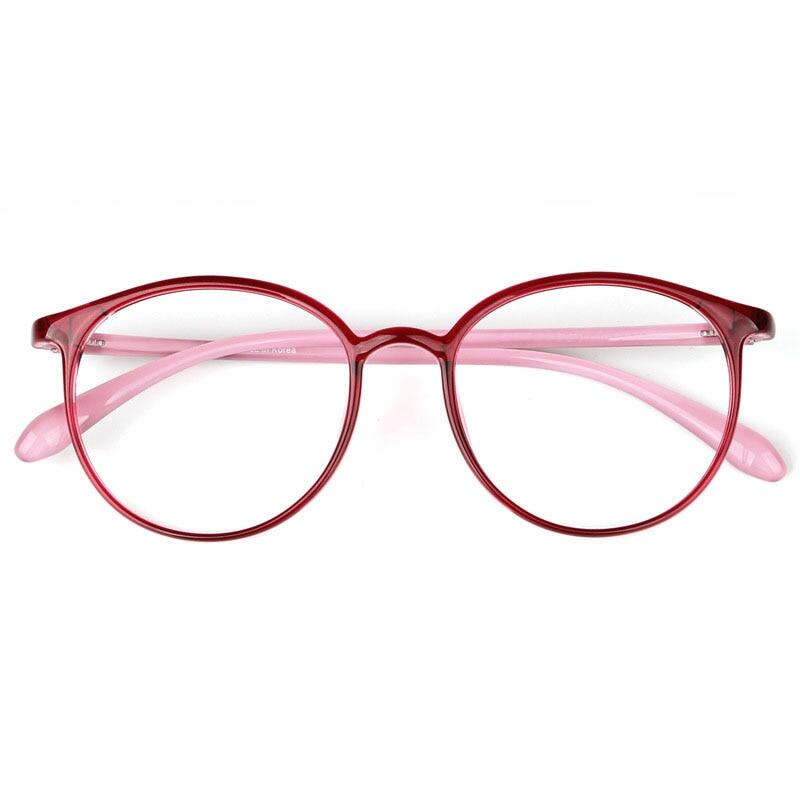
Working long hours, sometimes late into the night reviewing schematics or inspecting intricate pipework, I found my eyes were taking a toll. The digital screens, the fine print – it all added up to eye strain and fatigue. I realized that just as my feet needed protection, my eyes needed support too. That's when I discovered the benefits of anti-blue light glasses. I started using a pair of Mozaer Official round reading glasses, designed for both men and women, with anti-blue light features and a comfortable red frame. They come in various diopter strengths, from +1.0 to +4.0, which was perfect for my farsightedness. These glasses weren't just a comfort; they became an essential tool, helping me maintain focus and reduce eye strain during critical tasks. They truly made a difference in my ability to stay sharp and productive, proving that the right gear extends beyond just what you wear on your feet.
Through countless conversations with other tradespeople, mechanics, and even store owners who specialize in work gear, I've gathered invaluable insights. One thing became crystal clear: you can't blame your boots for becoming dry and ripping if you don't take care of them. I've seen construction workers and mechanics walk into the store where I sometimes pick up supplies, wearing boots that have lasted them years – all thanks to diligent care. So, based on my own observations and experiences, here are my top tips for extending the life of your work boots: